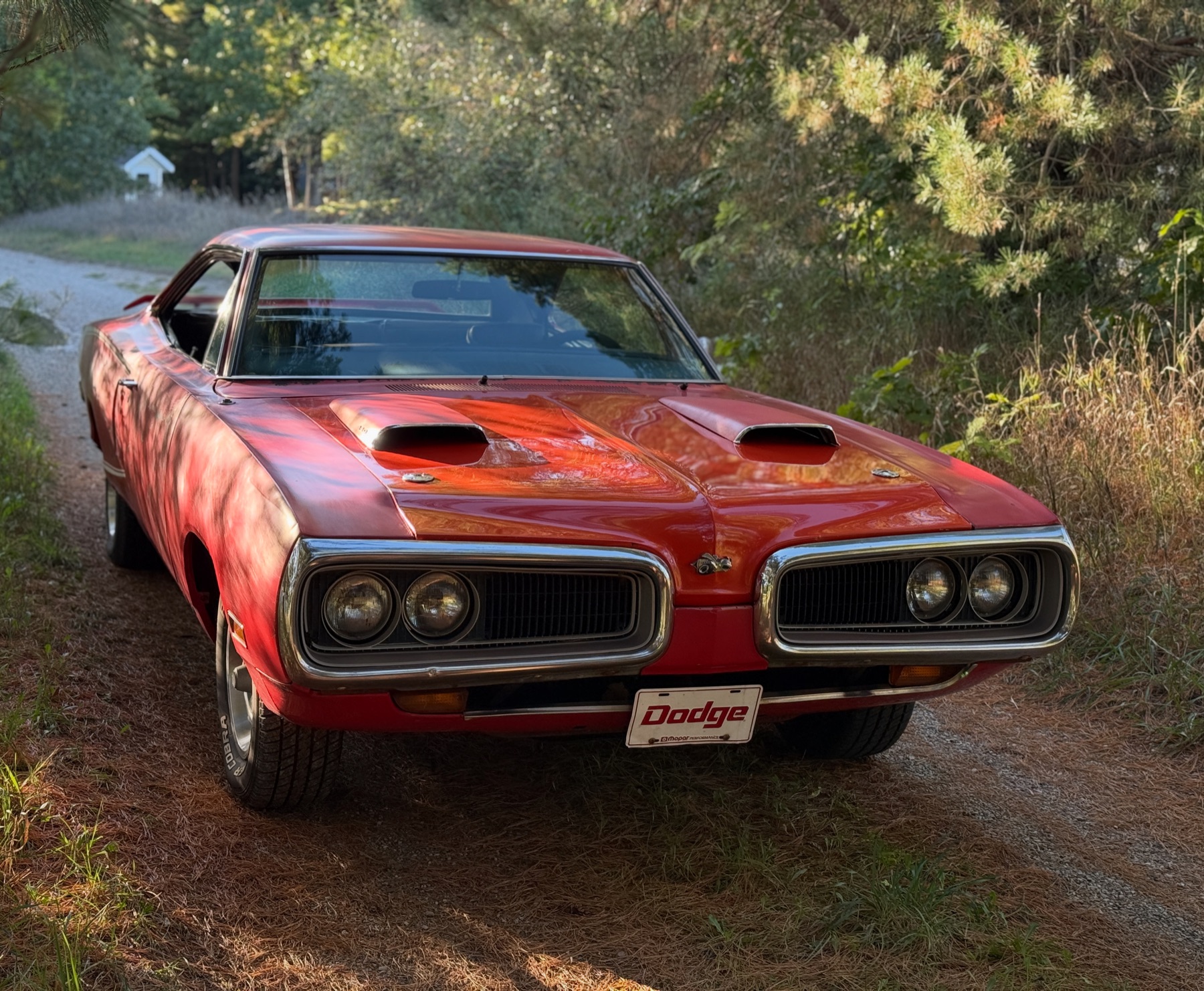
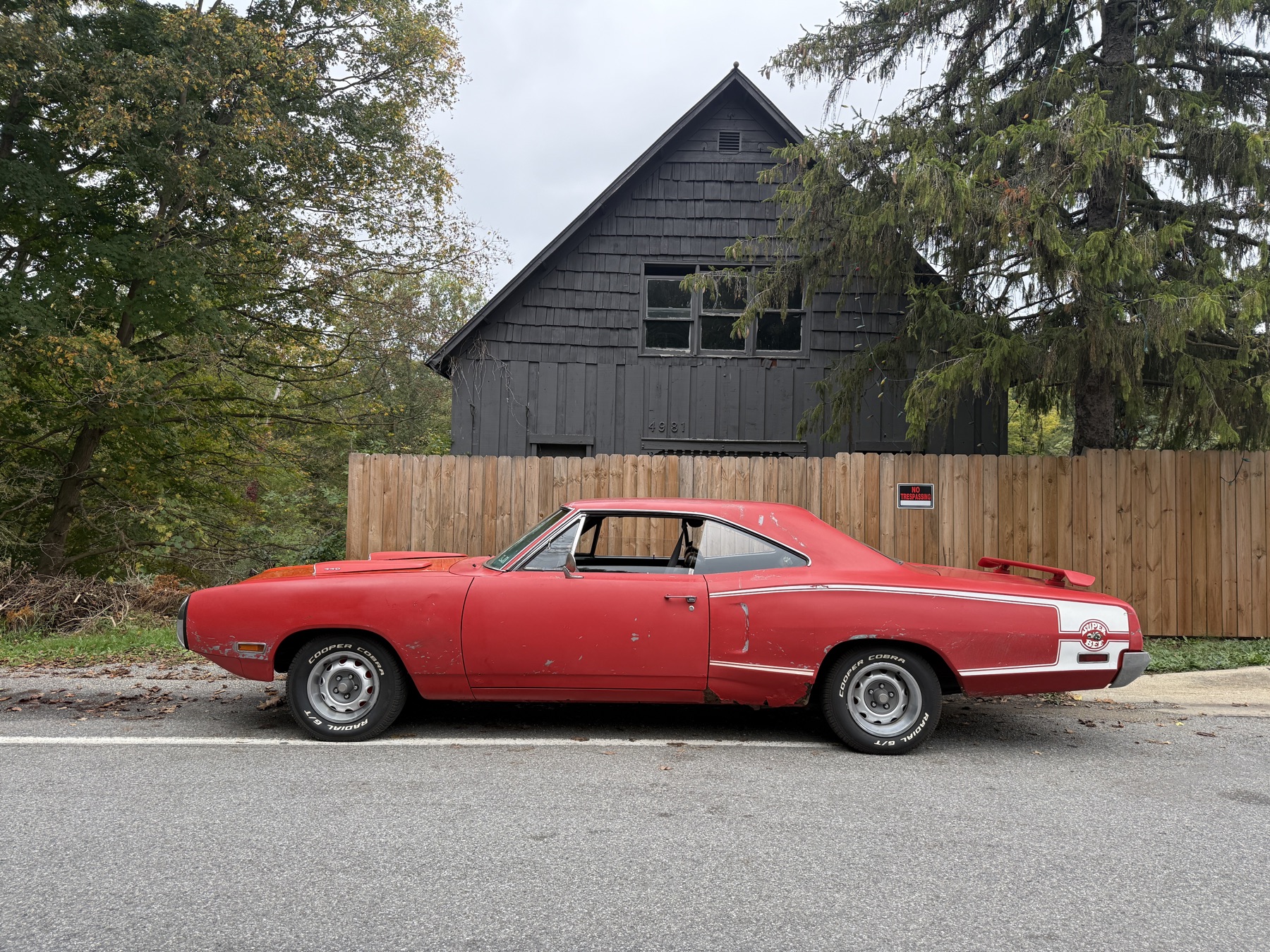
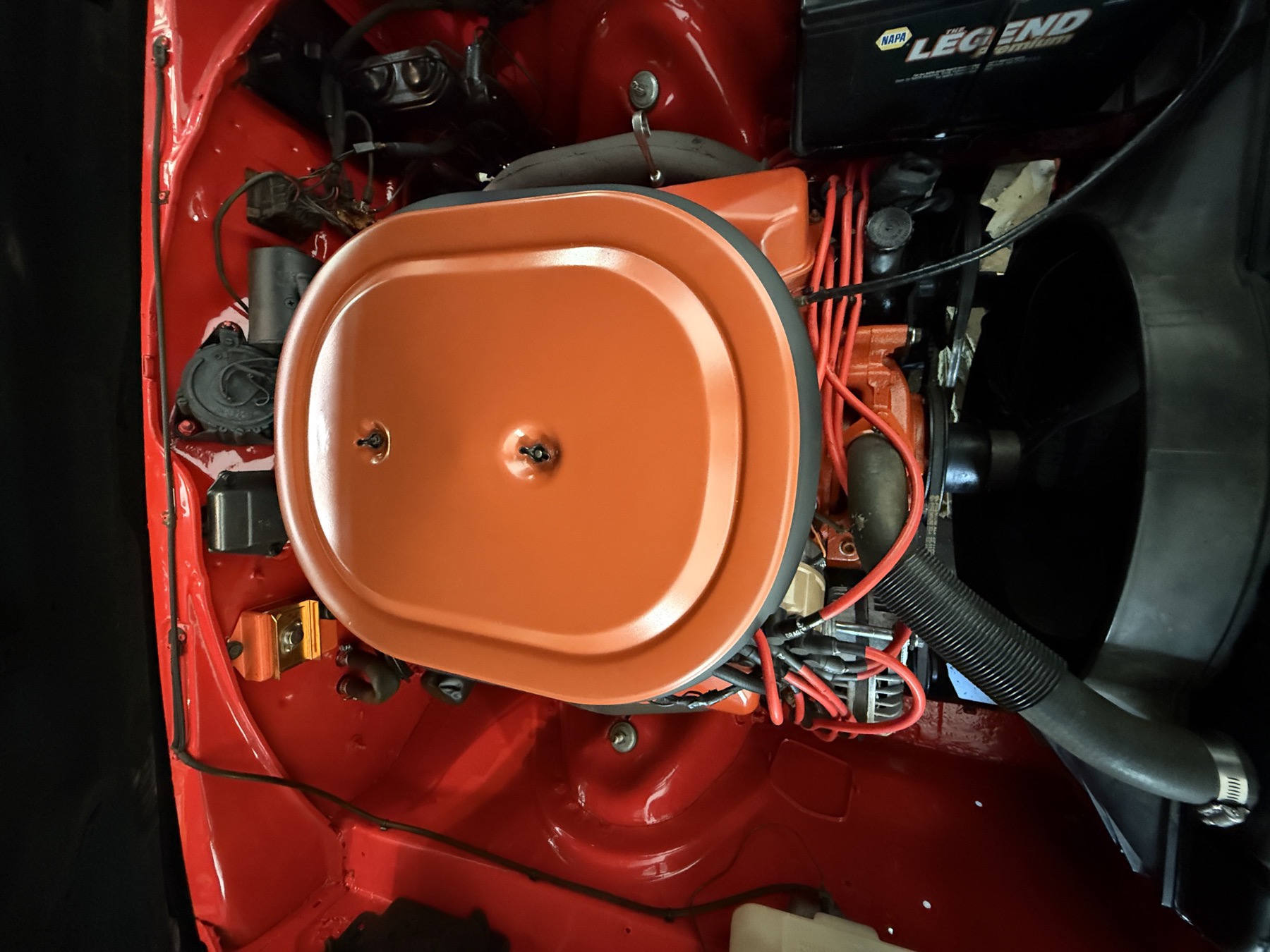
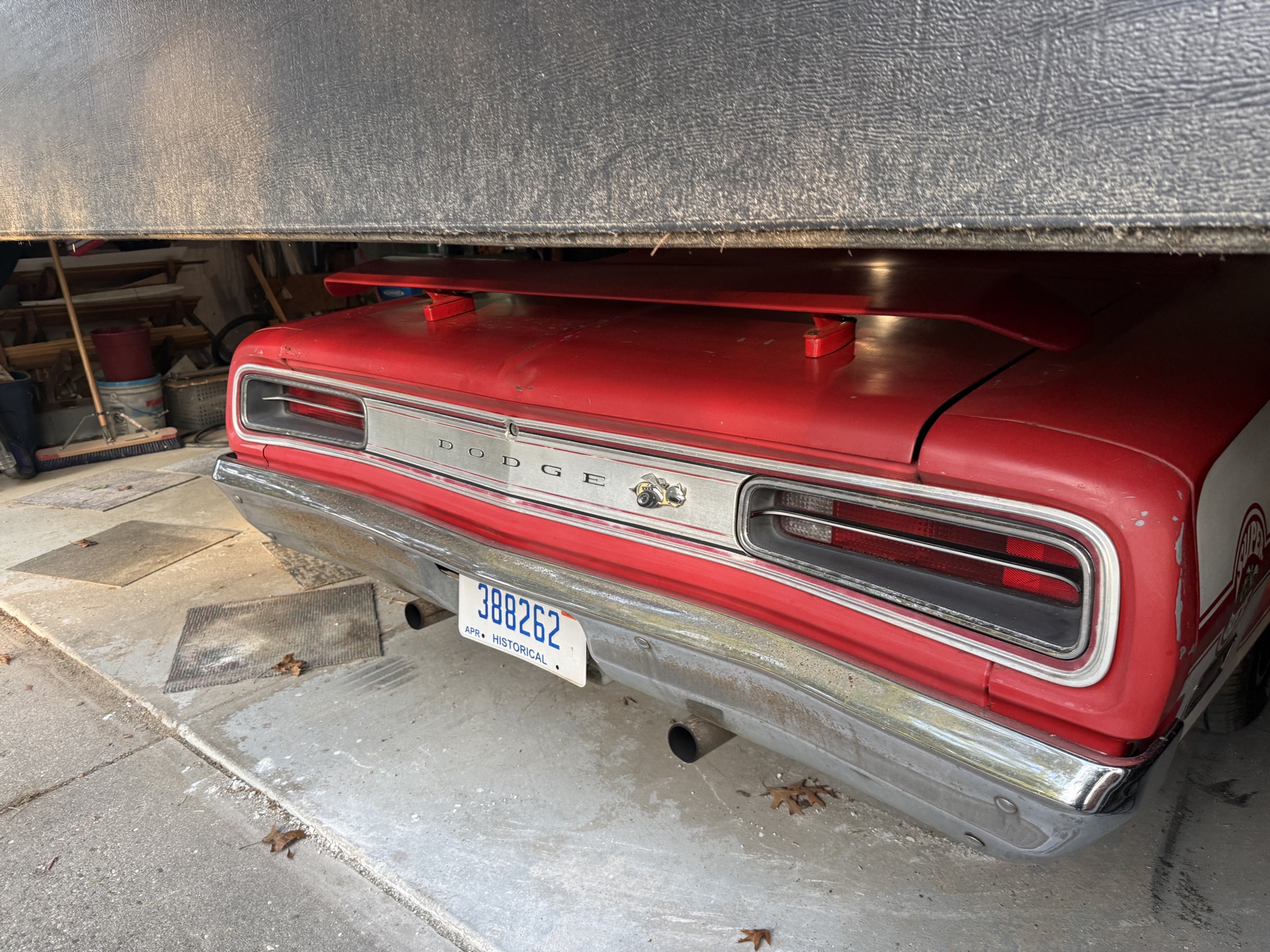
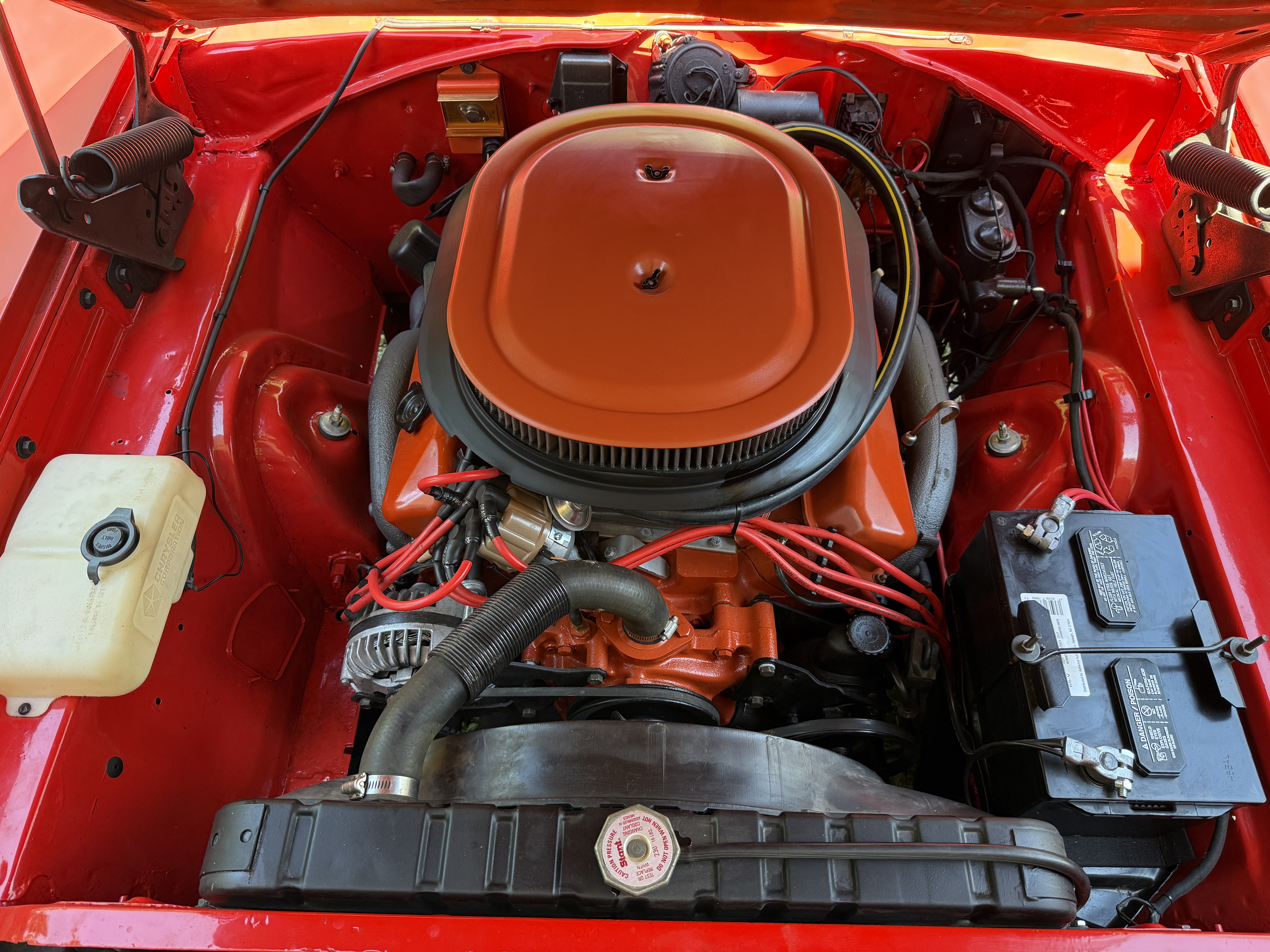
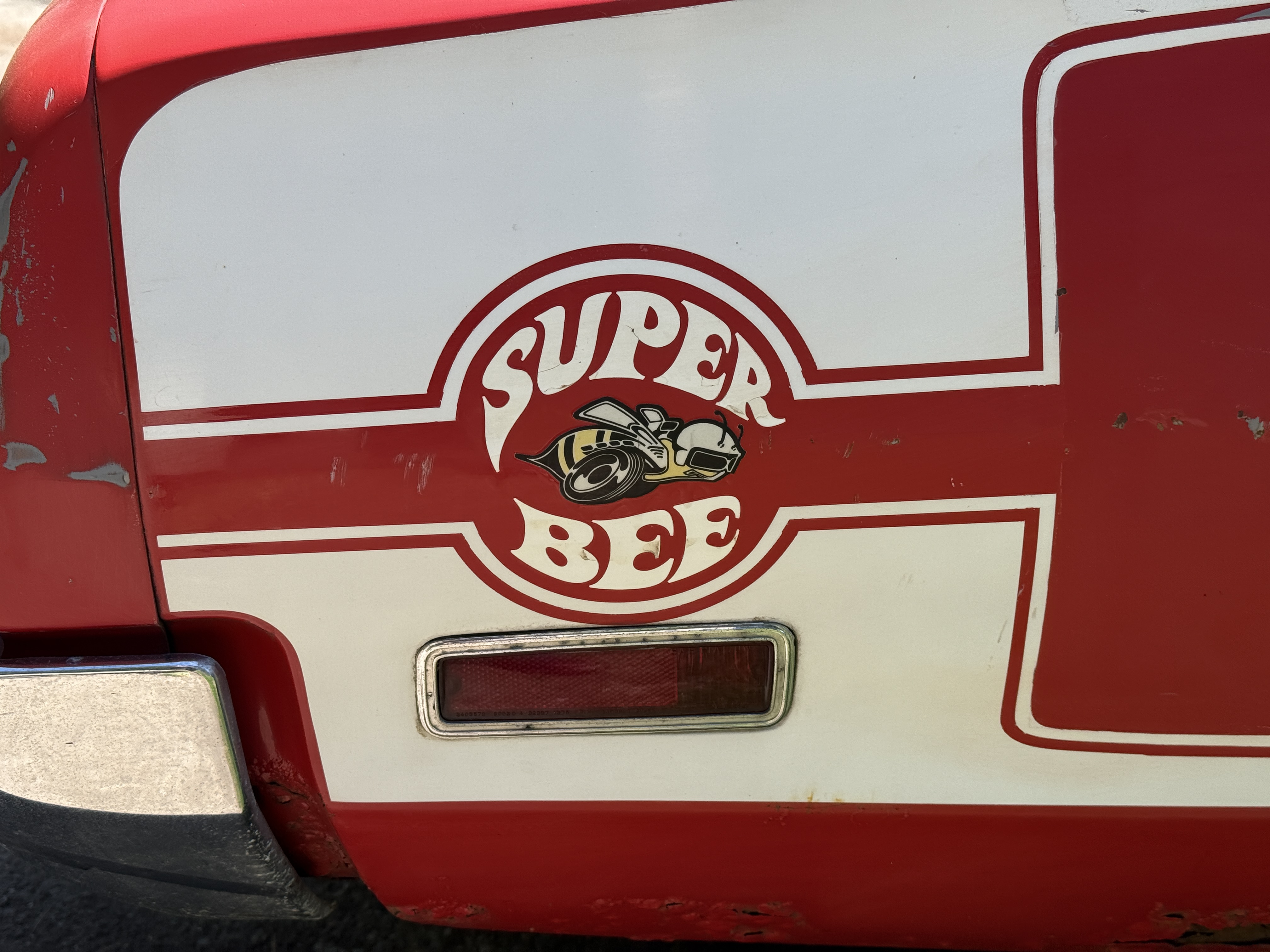
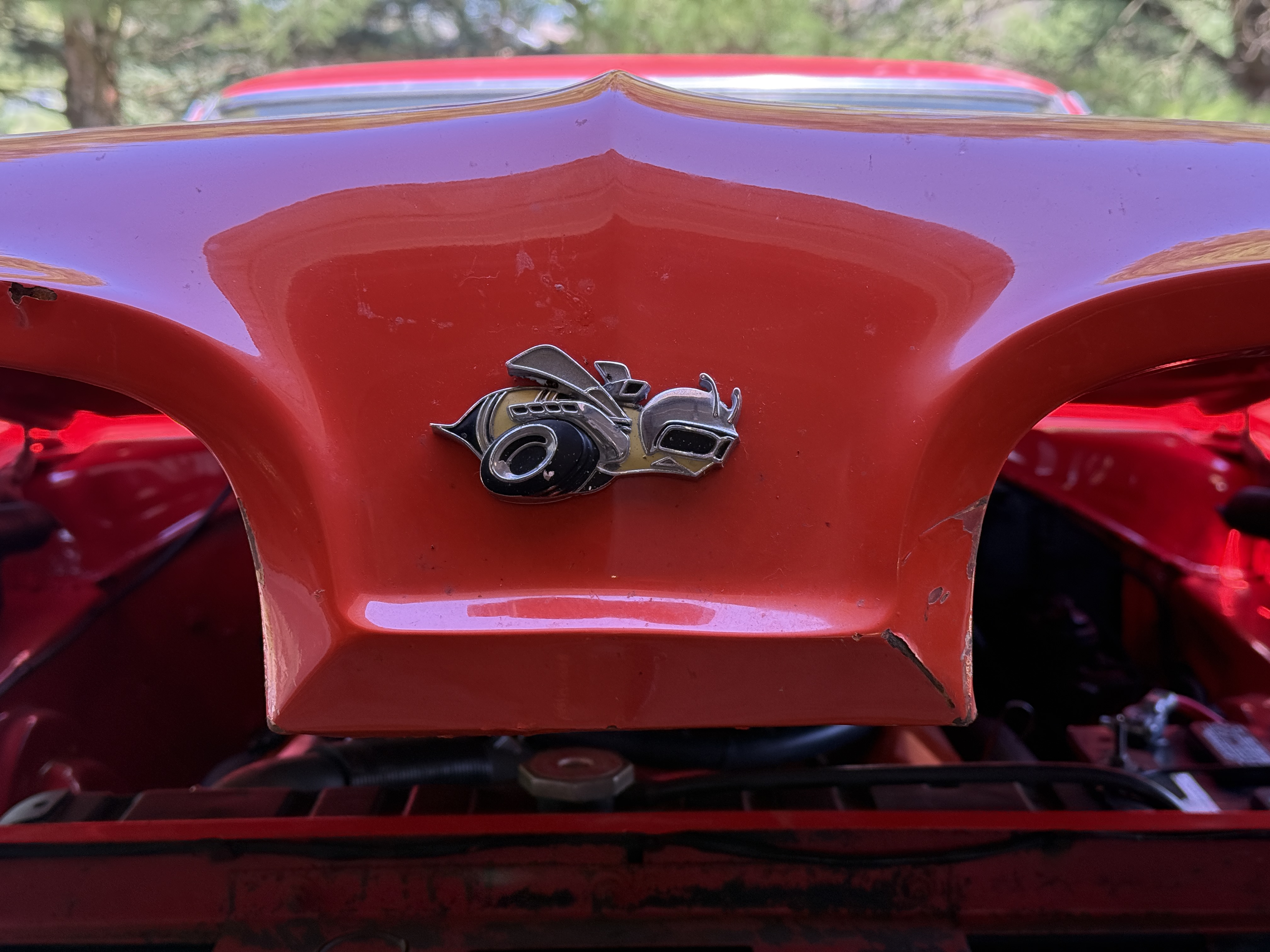
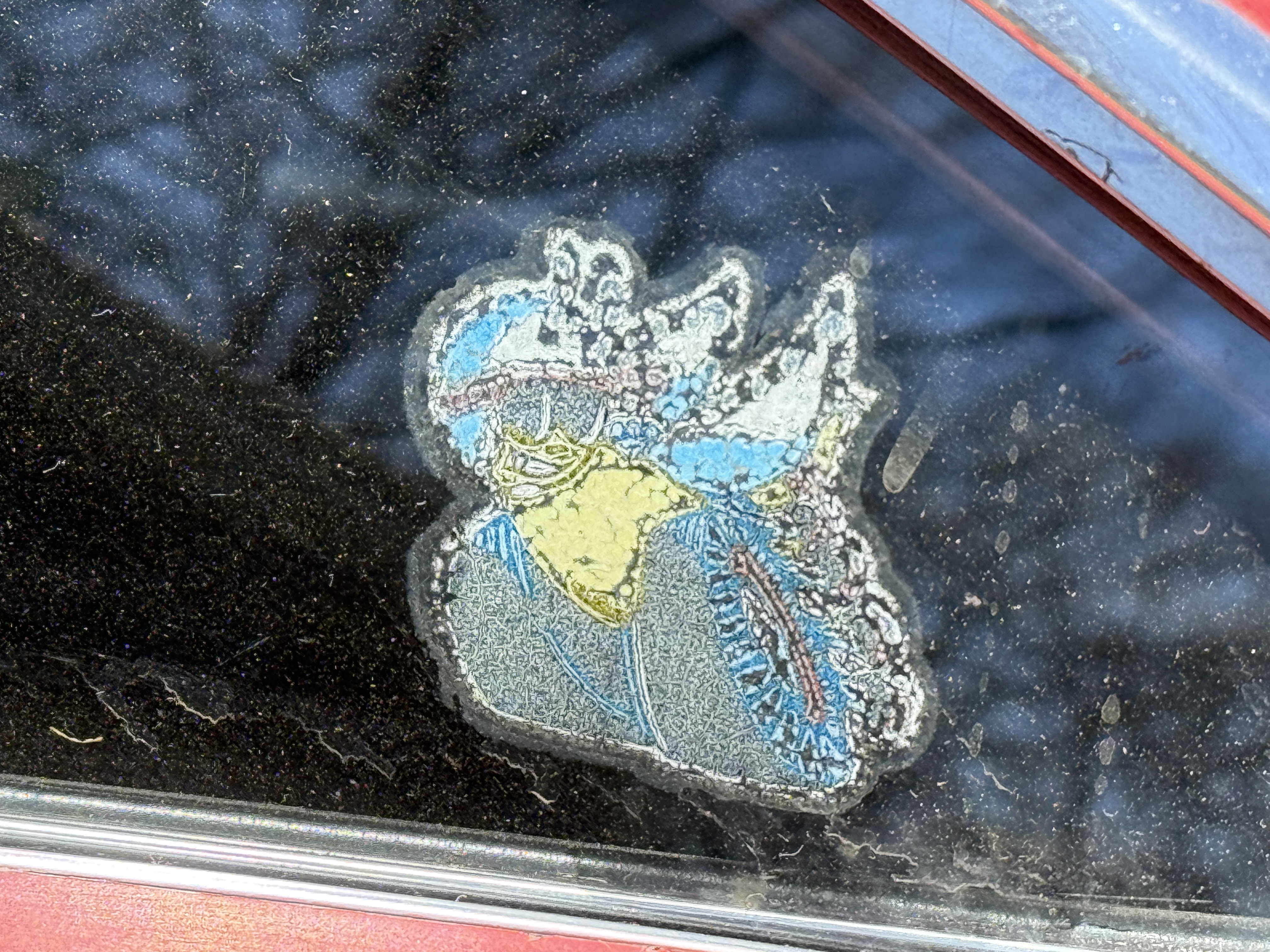
The Super Bee was Dodge's budget muscle car — built down to a price by giving the buyer the powertrain (383 N-code four-barrel standard) and not much else. For 1970 it received a substantial facelift, gaining the divided 'rotary loop' grille, prominent hood scoops, and either bumblebee tail stripes or a longitudinal C-stripe along the body side. WM21 was the post coupe; WM23 was the two-door hardtop. A convertible Super Bee was not offered.
Designer — the 1970 Coronet / Super Bee facelift was developed in the Dodge Studio under styling chief William (Bill) Brownlie, Dodge's chief designer through the 1968–1976 muscle era and the same studio that produced the 1968 Charger (principal designer Richard Sias) and the 1970 Challenger (principal designer Carl Cameron). The 1970 Coronet's 'rotary-loop' twin-grille front end is the most-discussed element of that year's restyle; the public record names Brownlie's studio as a whole rather than a single sketch credit.
1970 Super Bee production is estimated at 15,506 cars total across both body styles, all engines. The V-code Six-Pack option is among the rarest engine choices, second only to the 426 Hemi.